What is Micro Molding?
Defining Micro Molding
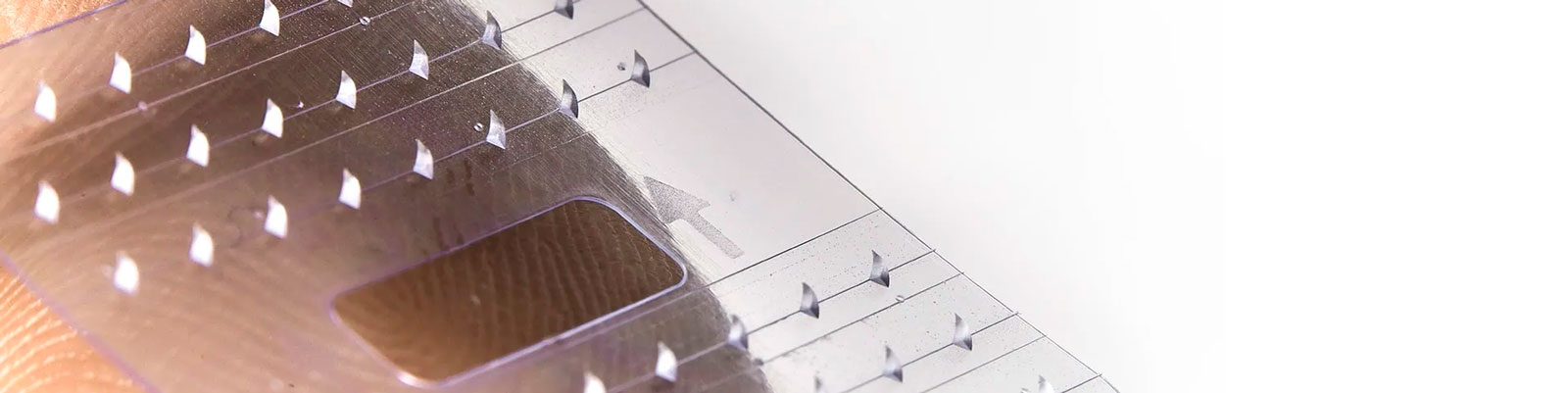
When it comes to micro molding or micro injection molding, many think it is standard macro molding, just smaller. However, standard injection molding processes usually do not work when parts are smaller than a pellet of resin, have thin walls or micro features. Other factors come into play including mold design and expert mold fabrication, and the materials being used.
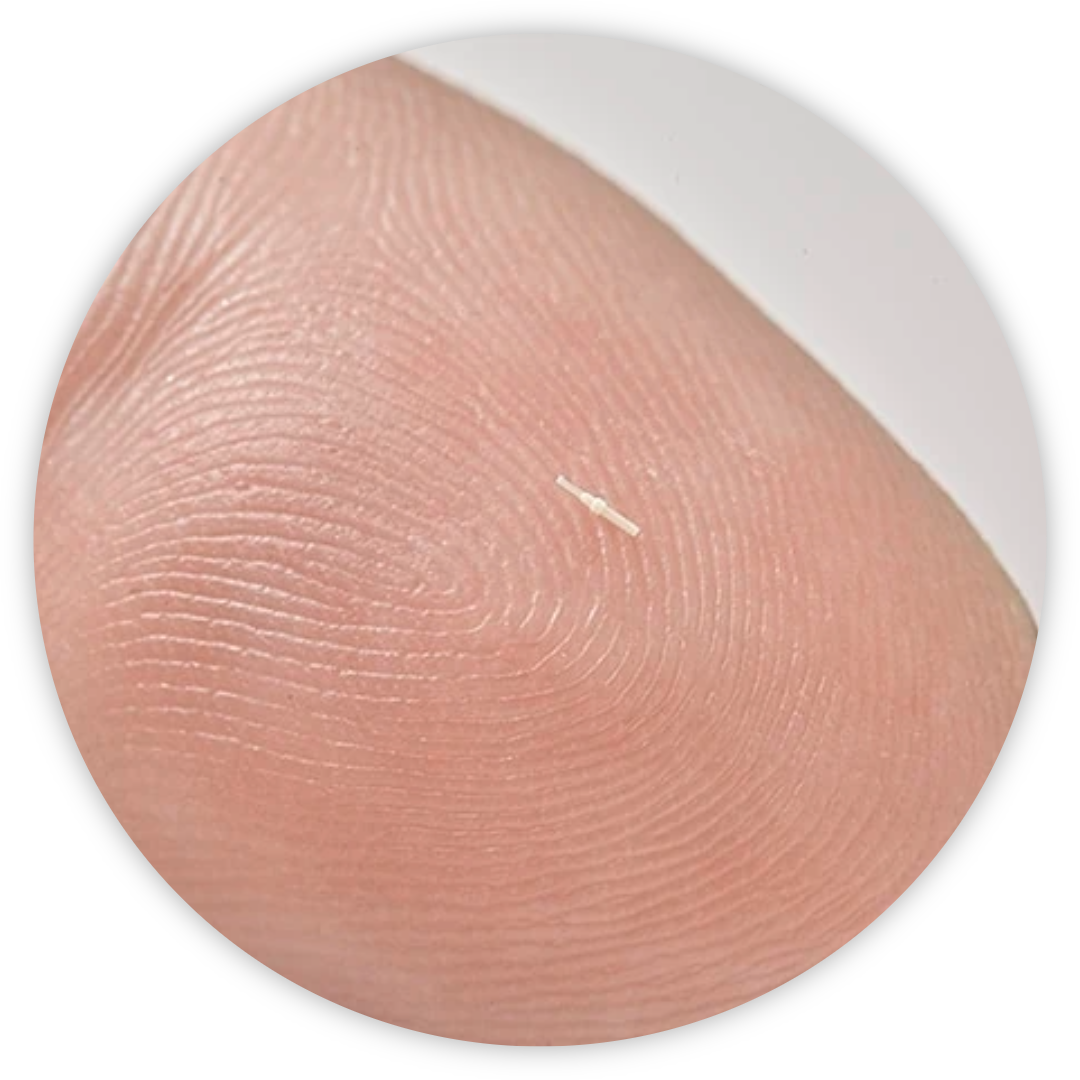
To put size into perspective, micro molding encompasses:
- Parts that are a fraction of a pellet of resin in size
- Parts that weigh fractions of a gram
- Parts with a wall thickness ranging from 0.001 to 0.015 in. (25 to 375 microns)
- Mold core diameters less than 0.0008” (20 micron)
- Parts or sub-assemblies requiring 0.002” (50 micron) tolerances or less
- High length-to-thickness (L/T) aspect ratios (currently up to 400:1)
- Larger parts that have micro features, thin walls, micro holes, complex geometry and/or tight tolerances
The Need for
Micro Molding
Today, the need for micro molding applications is rapidly increasing, in part due to advancements in technology and scientific research. With medical devices becoming less invasive, and portable and wearable health devices gaining popularity the need for small, highly precise components and parts has increased. Micro molding can be used to manufacture parts for these devices meeting the need for fine features, thin walls, micro holes, tight tolerances and scalability to high volume production.
Fundamental Processes for Micro Molding
The enabling factors for successful micro molding and micron tolerances is tooling, mold design, and mold fabrication. When high precision is needed, it’s vital to have industry-leading machining capabilities and experts who can manipulate fabrication to achieve sub-micron tooling capabilities. These precision tools are then processed side-by-side with the master tool builder and process engineers who have over 1,000 successful projects to pull from in creating the next solution. Lastly, the molded components and/or automated sub-assemblies are combined with state-of-the-art metrology to create a capable, validated process. In addition, it’s fundamental to have these processes in-house to ensure the integrity of the component, as well provide the highest-level accuracy and surface finish possible. It’s virtually impossible to outsource this skill set along with those needed for mold making. In fact, critical discussions regarding datum structure, from designing the mold to programming the CT scanner and automation, start with a solid mold design and a plan to achieve single-micron-tolerance components and assemblies.
Materials Used in Micro Molding
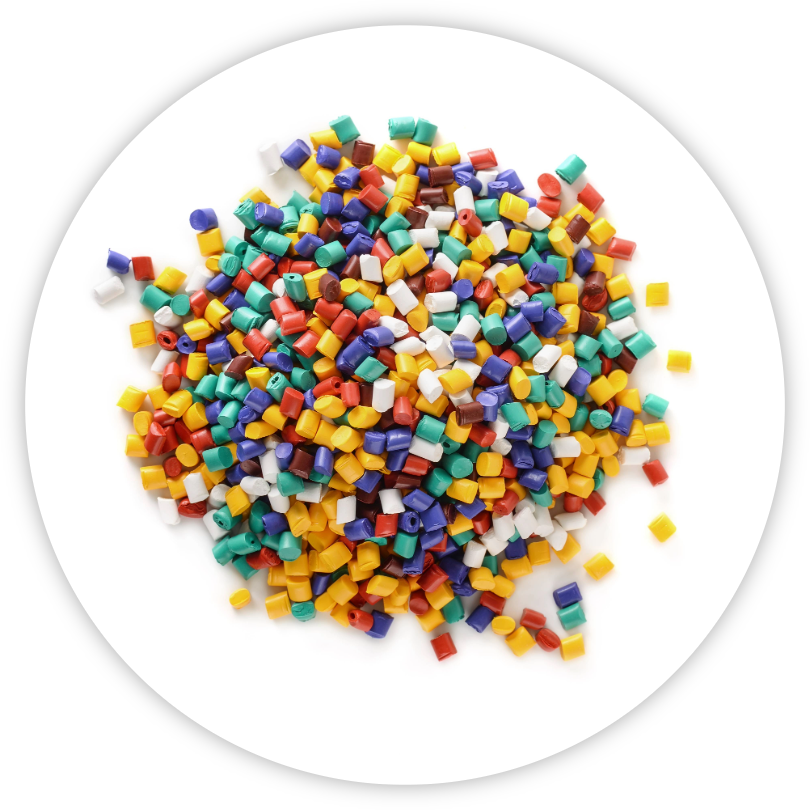
Micro molding has no limit to the materials and fillers that can be utilized with normal sized pellets.
Additives and fillers can be added to a material to change its properties and make it more desirable by making the material stronger, or more flexible and easier to shape, or prevent the plastic from breaking down.
Fillers and additives include:
- Barium sulfate
- Carbon fibers
- Colorants
- Glass fibers
- Mineral
- Nano particles
- Radiopaque materials
- LCP – Liquid crystal polymer
- LSR – Liquid silicone rubber
- PC – Polycarbonate
- POM – Polyoxymethylene
- Pebax®
- PEEK – Polyetheretherketone – Long-term implantable
- PGA – Polyglycolic acid – bioresorbable
- PLA – Polylactic acid – bioresorbable
- PLG/PLGA – Poly Lactic-co-Glycolic Acid – bioresorbable
- PLLA – Poly-L-Lactic Acid – bioresorbable
- PMMA – Acrylic
- PP – Polypropylene
- TFE – Fluoropolymer
- TPE – Thermoplastic elastomer
- TPU – Thermoplastic polyurethane
Ready to get Started?
We can Help
Our team is standing by to help you with your next project! Contact us today!
Global Headquarters
400 Exchange Street. Buffalo, NY 14204
P: +1.800.893.6361
E: dm.info@nisshamedical.com
E: dm.orders@nisshamedical.com